Change begins when people choose to care—not only about their own lives, but also about the people around them. It grows when young people recognize their ability to make a difference, when communities work together to address shared challenges, and when service becomes more than a responsibility; it becomes a way of life.
This is the principle that drives Padyarescue Incorporated (PRI), an organization committed to advancing community development, strengthening volunteerism, and empowering individuals to become active participants in building a better society.
Through its diverse programs, Padyarescue Incorporated brings people together around a common purpose: to create communities that are healthier, more informed, environmentally responsible, resilient, and united by the spirit of bayanihan.
For PRI, meaningful change does not happen through words alone. It requires people who are willing to show up, extend a helping hand, share their knowledge, and take action where it matters most. Its programs reflect this belief by addressing different community needs while working toward one shared vision—a society where everyone has the opportunity to contribute to positive change.
“Meaningful change does not happen through words alone. It requires people who are willing to show up, extend a helping hand, share their knowledge, and take action where it matters most.”
— Padyarescue Incorporated
More Than an Organization: A Movement for Community Empowerment
Padyarescue Incorporated believes that every individual has the potential to become an instrument of change. Young people, in particular, have the energy, creativity, and capacity to help shape the future of their communities when given opportunities to participate, learn, and lead.
However, community development requires more than individual willingness. It calls for organized efforts, meaningful partnerships, accessible knowledge, and sustained community participation. PRI responds to this need through programs that connect volunteerism with practical community action. From mobilizing volunteers and promoting health awareness to supporting education, mental well-being, and sustainable agriculture, the organization seeks to transform advocacy into experiences that directly engage people and communities.
At the heart of its work is the understanding that service should not be limited to one event or one act of kindness. It should inspire a continuing commitment to helping others, protecting the environment, and creating solutions to shared challenges.
Six Programs, One Purpose
PRI structures its grassroots work across six distinct yet interconnected programs, each designed to answer pressing community needs through active citizen participation.
1. Go Bike Project: Moving Communities Through Volunteerism
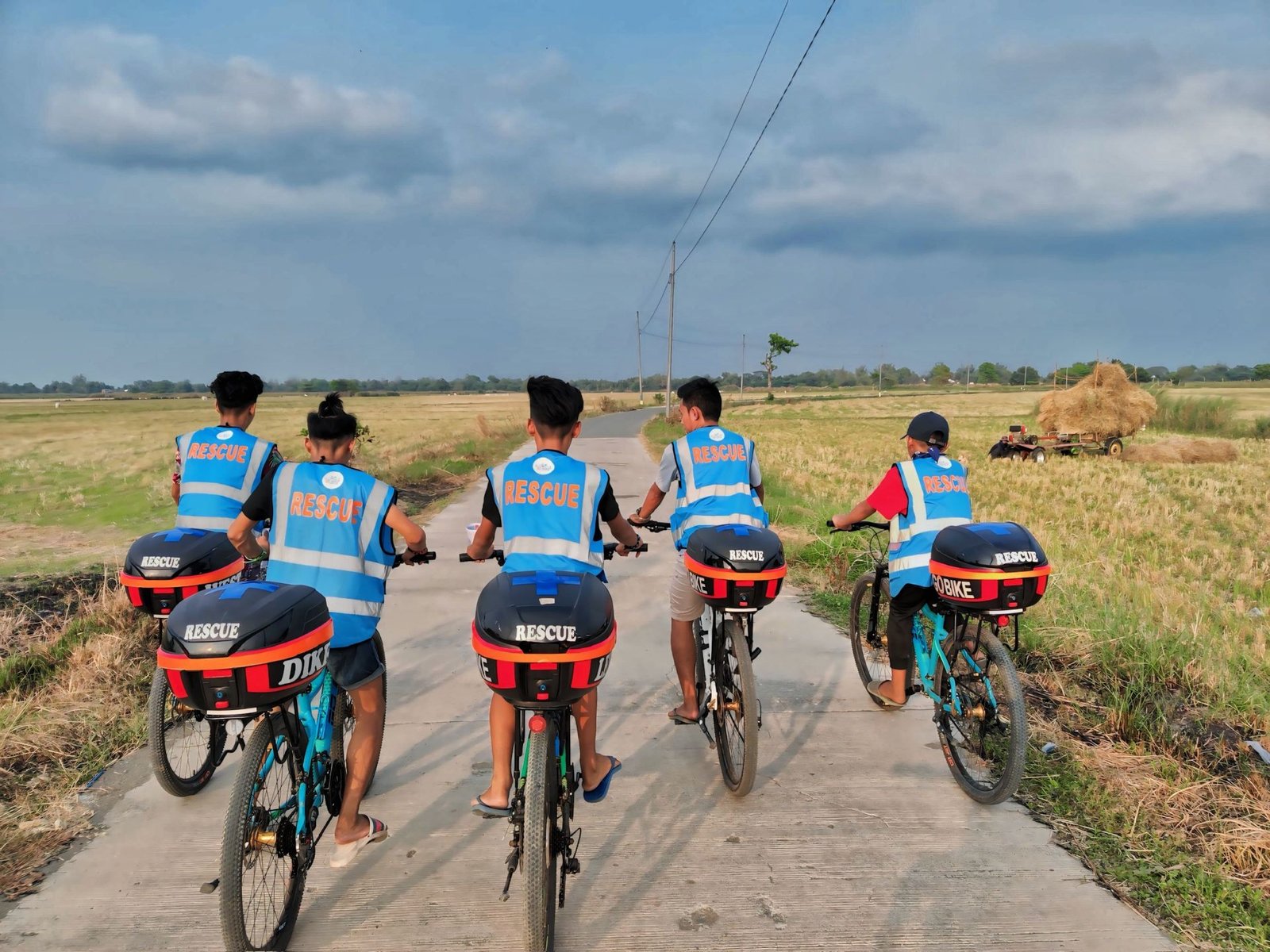
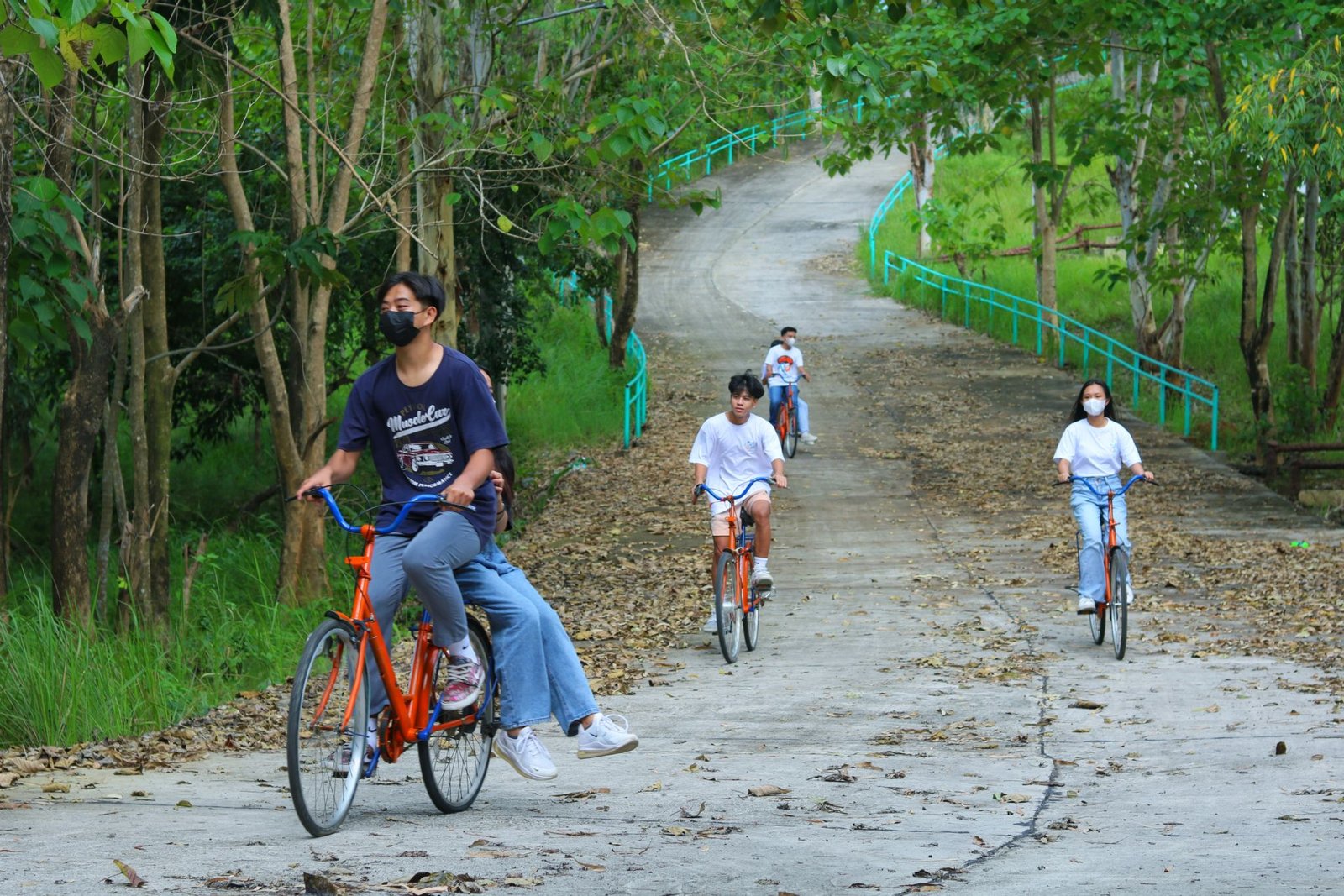
The Go Bike Project harnesses the spirit of cycling and volunteerism to encourage young people and community members to become active participants in local development. Beyond the bicycle itself, the project represents movement toward a more engaged and service-oriented community. It provides a platform for volunteers to take part in community activities, public service initiatives, and advocacy campaigns that encourage collective responsibility and social participation.
Through organized volunteer engagement, Go Bike promotes the idea that young people do not have to wait until they hold positions of authority to make a difference. They can begin by participating in local initiatives, helping their neighbors, supporting community activities, and using their time and abilities for the common good.
The project also reflects the importance of teamwork, discipline, and shared responsibility. Every volunteer who participates becomes part of a larger effort to bring people together and make community service more accessible and meaningful.
For Go Bike, every ride can represent a purpose, every volunteer can become a catalyst for change, and every community can become a place where bayanihan moves forward.
2. ALWAR: Cultivating a Generation of Compassionate and Resilient Volunteers
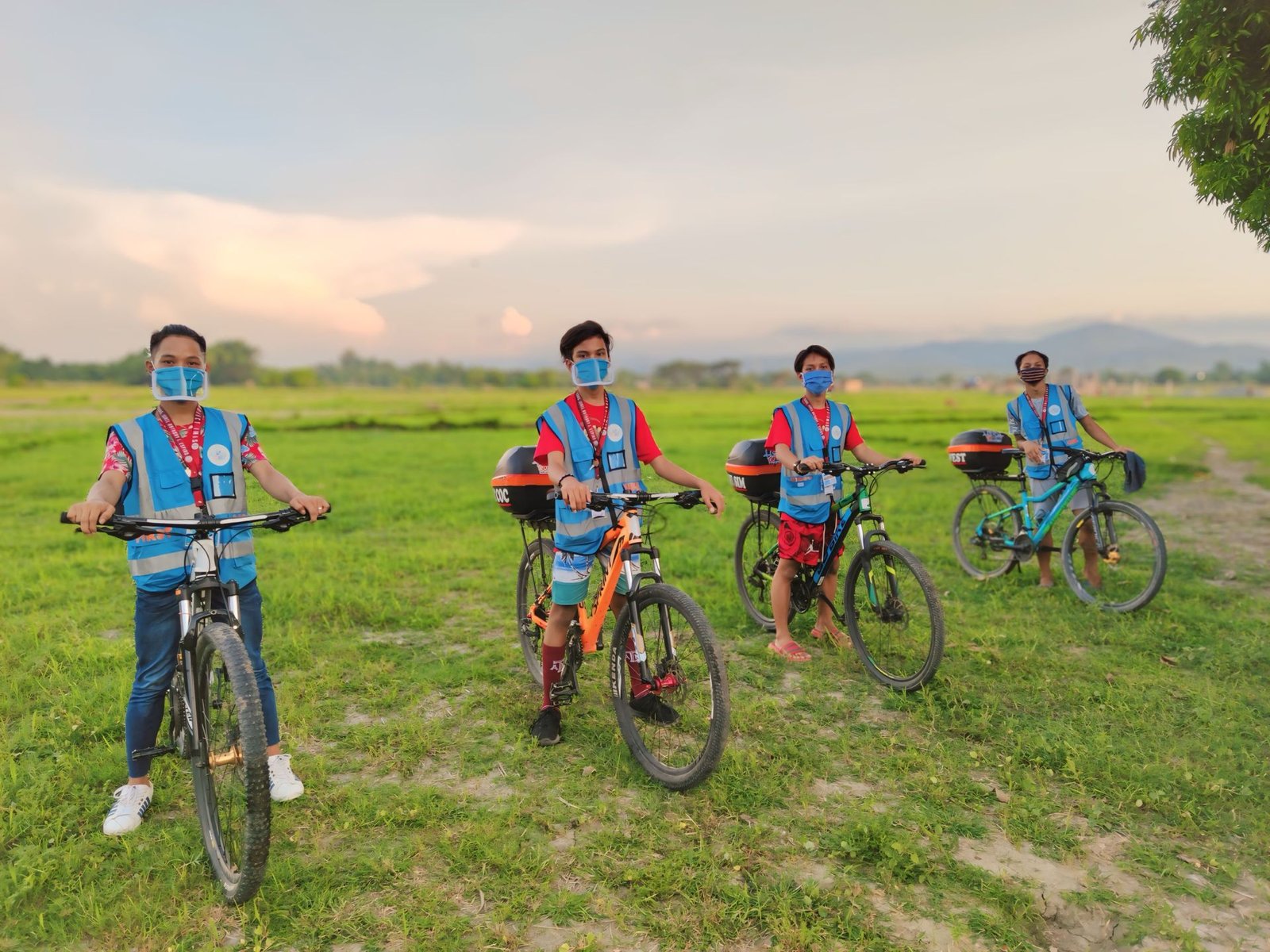
The Association of Learners Working on Altruism and Resilience (ALWAR) advances a culture of volunteerism, compassion, and resilience, particularly among learners and young people. ALWAR recognizes that education extends beyond academic achievement. It also involves developing empathy, social awareness, leadership, and the willingness to contribute to the welfare of others.
Through volunteer engagement and community-oriented activities, ALWAR encourages learners to recognize the needs of the people around them and understand how their participation can contribute to positive change. It promotes the value of altruism—the willingness to help others without making personal gain the primary motivation—and the importance of resilience in responding to challenges.
By creating opportunities for young people to participate in meaningful service, ALWAR helps nurture individuals who understand that leadership is not defined solely by a title, but by the willingness to take responsibility and serve with integrity. The program also emphasizes that resilience is strengthened through collective action. When people learn to support one another, communities become better equipped to face difficulties and move forward together.
Through ALWAR, volunteerism becomes a learning experience, compassion becomes a practice, and resilience becomes a shared community strength.
3. Ronda Kalusugan: Bringing Basic Health Awareness Closer to the Community
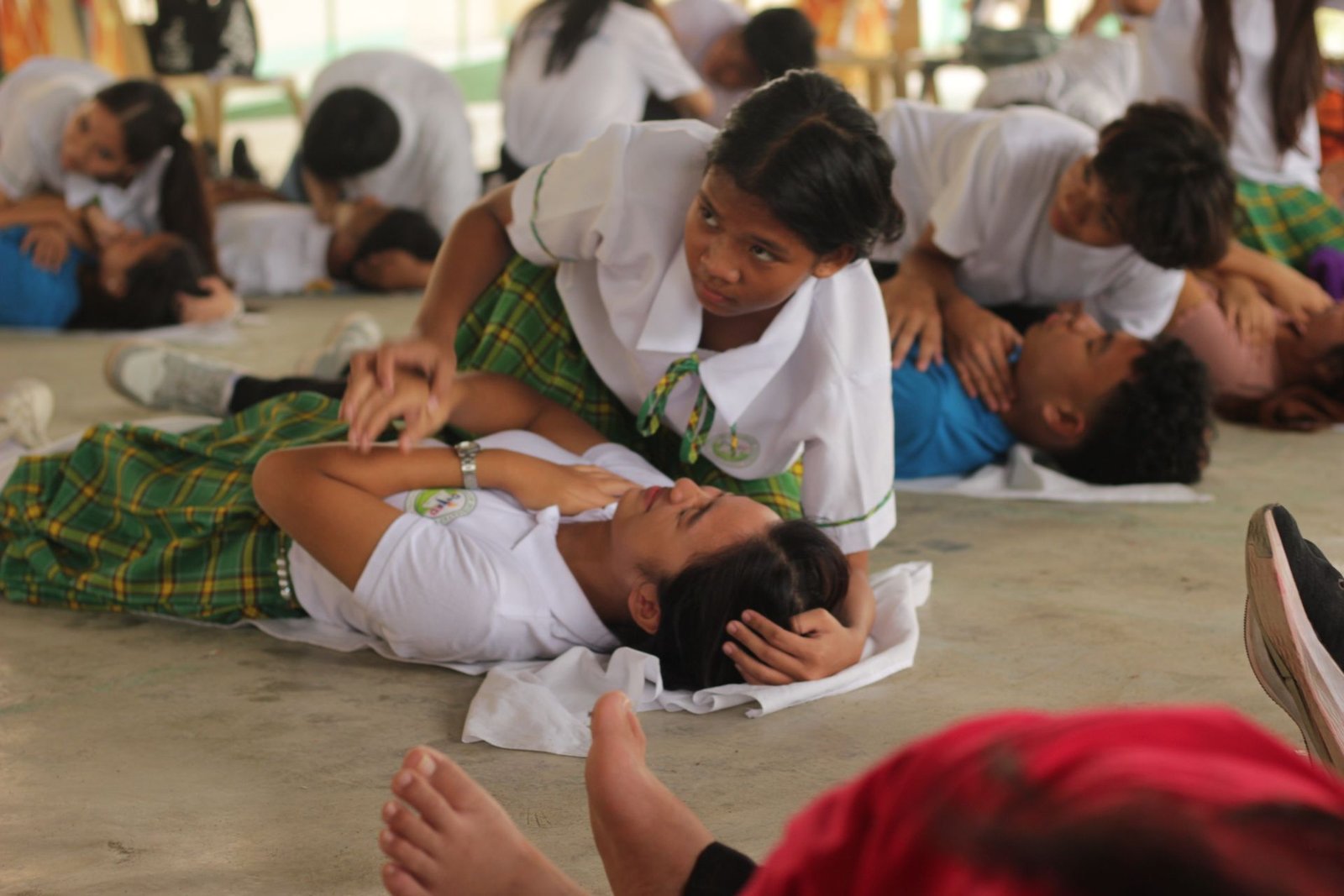
Access to health information and early awareness of potential health concerns are important components of a healthier community. Yet, for many people, taking the first step toward monitoring their health can be challenging. Ronda Kalusugan seeks to help bridge this gap by bringing volunteers into communities to provide basic health monitoring and promote greater awareness of personal health.
Through activities that may include blood pressure monitoring and blood sugar checking, the program encourages community members to pay closer attention to their well-being. These activities also provide opportunities to share health information, promote preventive practices, and encourage individuals to seek appropriate medical consultation when necessary.
The program recognizes that health advocacy should not be confined to health facilities. Community-based initiatives can help make basic health awareness more approachable, particularly when delivered through organized outreach and partnerships. Ronda Kalusugan is not a substitute for professional medical diagnosis or treatment. Rather, it supports health awareness by encouraging people to become more proactive about monitoring their health and consulting qualified healthcare professionals when needed.
Its underlying principle is simple: communities become healthier when people are empowered with knowledge, encouraged to take preventive action, and connected with appropriate health services. Through Ronda Kalusugan, health awareness reaches beyond facilities and into the communities where everyday life happens.
4. PadyaKaalaman: Empowering Communities Through Knowledge
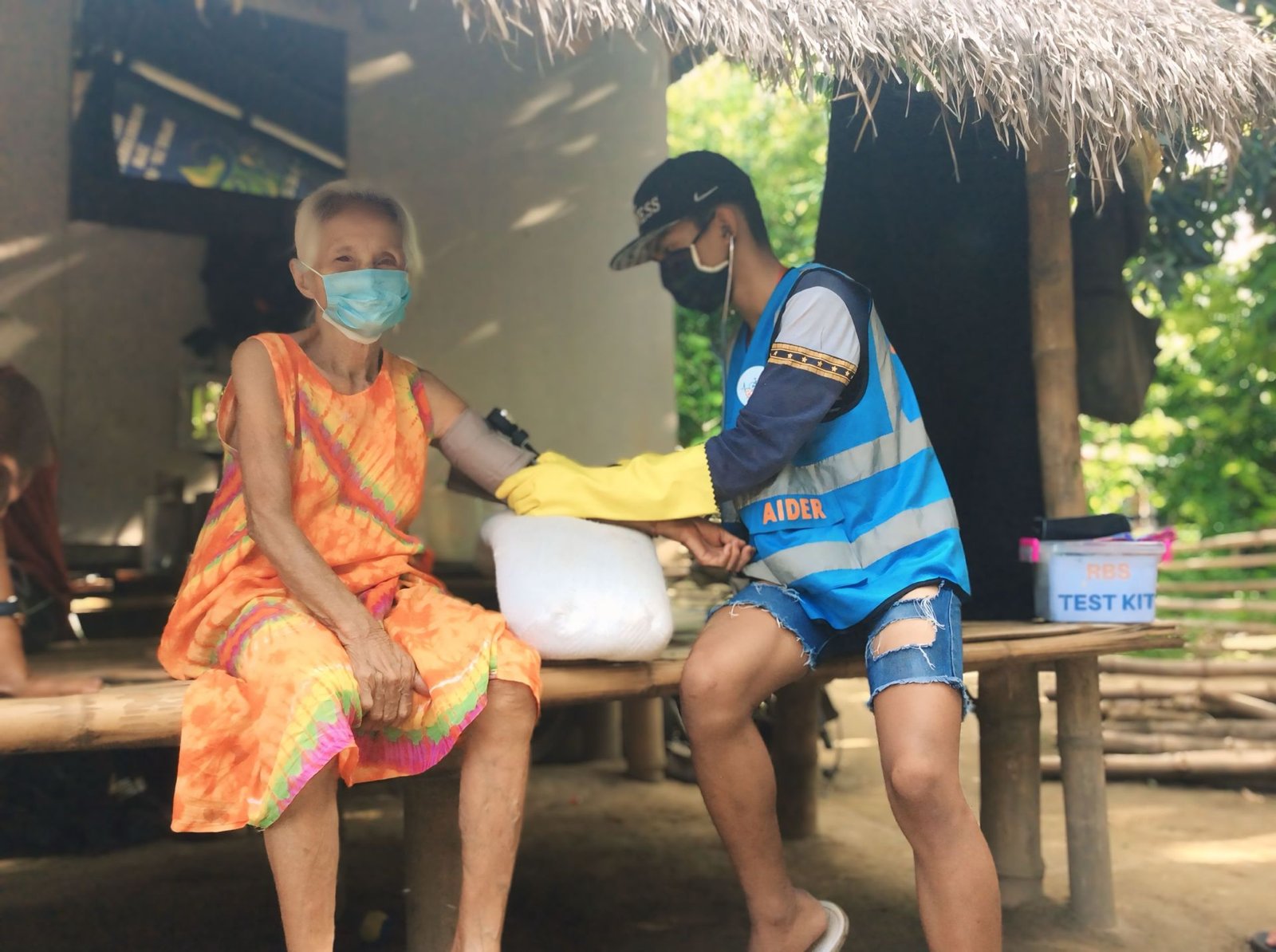
Knowledge is a powerful tool for change. It enables people to understand their circumstances, make informed decisions, recognize opportunities, and participate more meaningfully in addressing community concerns. PadyaKaalaman places learning and knowledge-sharing at the center of community empowerment.
The program reflects PRI's belief that information becomes more valuable when it is accessible, understandable, and translated into practical action. Through educational and information-sharing initiatives, PadyaKaalaman aims to encourage continuous learning and help individuals develop a deeper understanding of issues that affect their lives and communities.
Its approach recognizes that learning does not happen only inside classrooms. Communities themselves can become spaces for education, dialogue, and the exchange of experiences. When people share what they know and learn from one another, knowledge becomes a resource that benefits not only individuals but also the wider community.
PadyaKaalaman also reinforces the importance of informed participation. Whether people are engaging in community projects, responding to local challenges, or supporting advocacy initiatives, knowledge helps them participate with greater understanding and purpose. By encouraging curiosity, learning, and the responsible sharing of information, the program contributes to a culture where education becomes a continuing community effort.
Through PadyaKaalaman, knowledge is not simply acquired—it is shared, applied, and transformed into an opportunity for collective progress.
5. PadyaKaisipan: Making Mental Health Awareness Part of Community Care
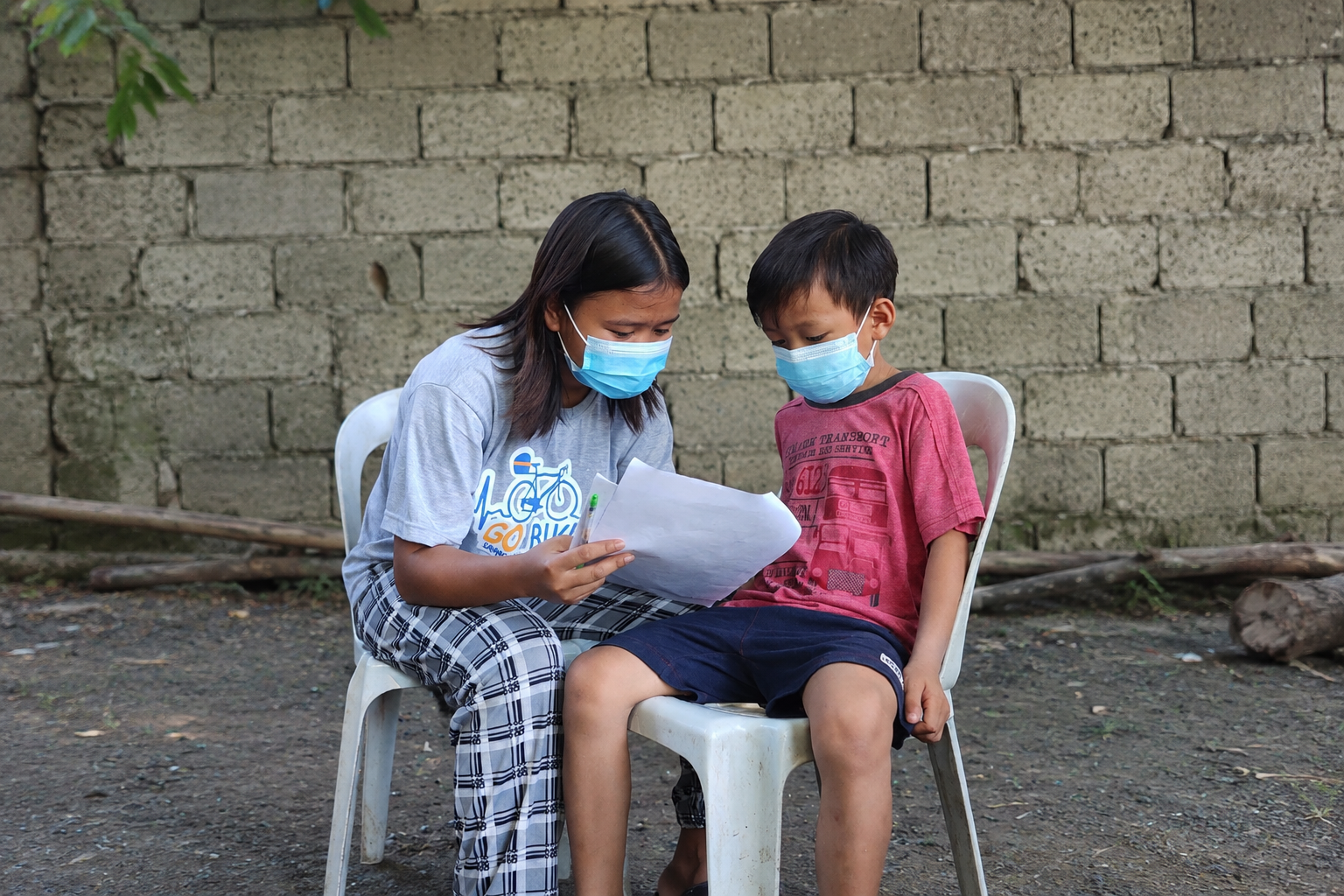
A healthy community is one that recognizes not only physical needs but also the emotional and psychological well-being of its people. PadyaKaisipan focuses on mental health awareness, encouraging more open conversations about mental well-being and helping build communities where people can approach these concerns with understanding and compassion.
Mental health remains an important part of overall well-being. Yet, stigma, misconceptions, and the fear of being judged can prevent individuals from speaking about their experiences or seeking support. PadyaKaisipan seeks to help address these barriers by promoting awareness, understanding, and a more supportive environment for conversations about mental health. It emphasizes the importance of listening without judgment, recognizing that people experience challenges differently, and understanding that asking for help is not a sign of weakness.
The program also highlights the role that communities can play in supporting mental well-being. Friends, families, schools, volunteers, and local organizations can all contribute by fostering respectful conversations, sharing reliable information, and helping connect people with appropriate professional support when needed.
Mental health advocacy is not simply about discussing difficult experiences. It is also about building a culture of empathy—one where people feel seen, heard, and treated with dignity. Through PadyaKaisipan, PRI promotes a community where caring for the mind is recognized as an essential part of caring for people.
6. HATAKE: Growing Sustainable Communities Through Collective Action
Food security, environmental responsibility, and sustainable livelihoods are closely connected to the well-being of communities. Addressing these concerns requires practical initiatives that bring people together and encourage long-term participation.
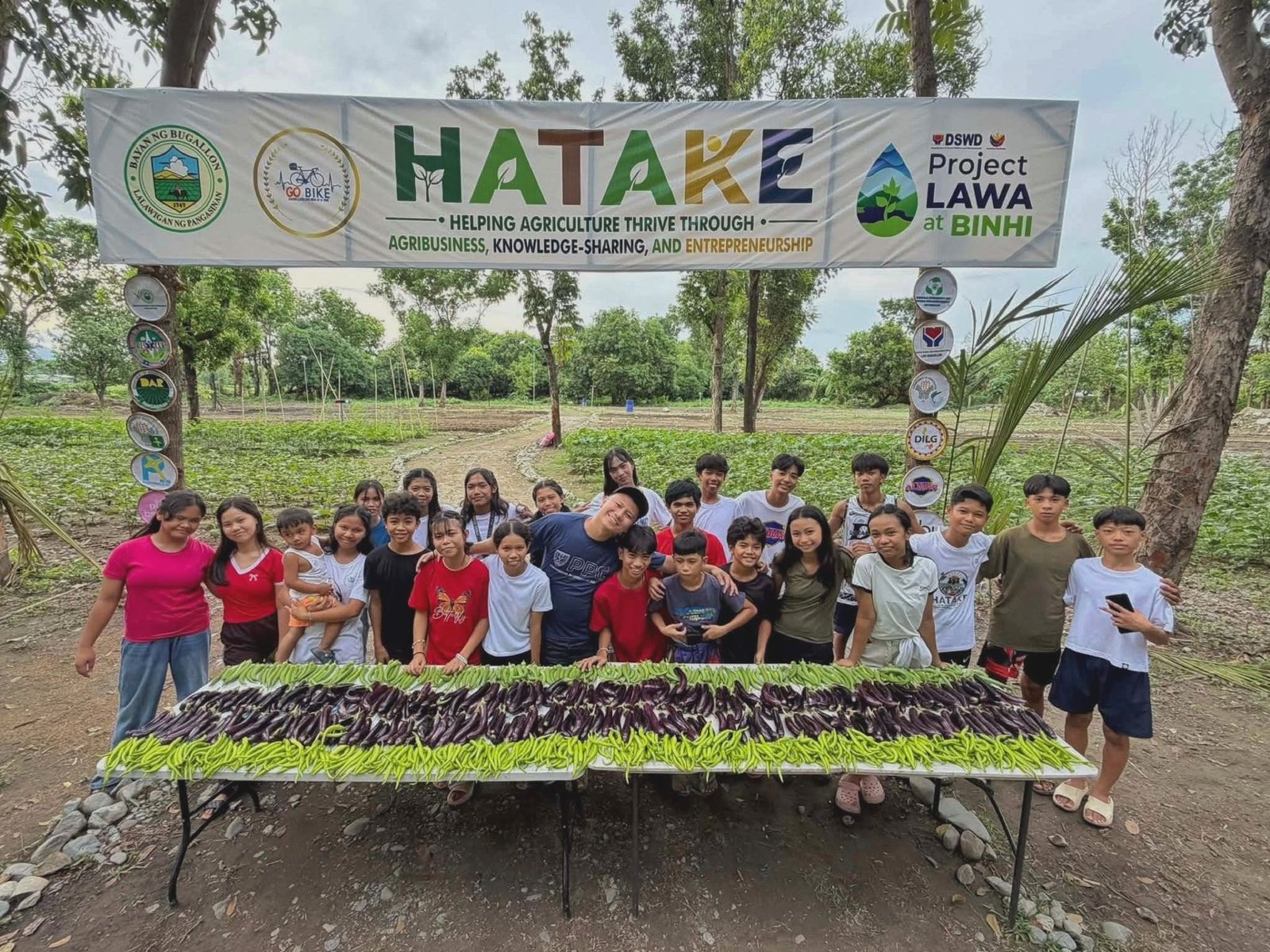
HATAKE is PRI's community farming initiative, promoting sustainable agriculture, environmental stewardship, and community participation through shared cultivation and collective effort. More than growing vegetables and maintaining farm spaces, HATAKE creates opportunities for people to learn, cooperate, and take part in building a more sustainable food system at the community level. Through farming activities, participants can develop practical knowledge, strengthen teamwork, and better appreciate the connection between environmental care and food security.
HATAKE also embodies the value of intergenerational cooperation, bringing people together around a shared responsibility to cultivate not only crops but also relationships, knowledge, and a stronger sense of community. Its community-centered approach reflects the belief that the benefits of development should extend beyond individual participants. Harvests, shared learning, and collective farm activities can become opportunities to support others and strengthen the spirit of bayanihan.
Through initiatives such as Project LAWA at BINHI, HATAKE also demonstrates how community-based agricultural efforts can be connected with broader development objectives and organized community participation.
Ultimately, HATAKE encourages people to see agriculture not merely as the production of food, but as an opportunity to care for the environment, build community capacity, and cultivate a more sustainable future. Through HATAKE, every seed planted represents the possibility of growth—not only for the land, but also for the people who work together to nurture it.
One Mission, Many Ways to Make a Difference
Although each program addresses a distinct area of community development, they share a common foundation: the belief that people can create meaningful change when they are empowered to act together. Go Bike Project mobilizes people through volunteerism. ALWAR nurtures altruism and resilience among learners and young volunteers. Ronda Kalusugan brings basic health monitoring and awareness closer to communities. PadyaKaalaman promotes learning and knowledge-sharing. PadyaKaisipan advances mental health awareness and compassionate community care. HATAKE cultivates environmental responsibility, food security, and cooperation through community farming.
Together, these initiatives reflect a broader understanding of development—one that recognizes the relationship between informed citizens, healthy communities, resilient individuals, environmental sustainability, and active volunteer participation.
Their impact is not measured solely by the activities conducted or the number of people who participate. It is also reflected in the knowledge shared, the relationships strengthened, the awareness developed, and the willingness of individuals to continue serving beyond a single initiative.
For Padyarescue Incorporated, every program provides another way to turn concern into action and individual participation into collective progress.
“Sustainable community development cannot be achieved by one organization alone. It requires cooperation among volunteers, local communities, schools, government agencies, private institutions, and other organizations that share a commitment to public service.”
— Spirit of Bayanihan
The Power of Partnerships and Bayanihan
Sustainable community development cannot be achieved by one organization alone. It requires cooperation among volunteers, local communities, schools, government agencies, private institutions, and other organizations that share a commitment to public service.
Padyarescue Incorporated recognizes the importance of these partnerships in expanding opportunities for participation and responding to community needs. Through collaboration, organizations can bring together different forms of expertise, resources, and experience to support initiatives that benefit the public.
Volunteers remain central to this work. Their time, effort, skills, and willingness to serve help translate advocacy into tangible community activities.
Equally important are the community members who participate in these initiatives. They are not merely recipients of assistance; they are partners whose knowledge, experiences, and involvement help shape the direction and sustainability of community development. This is the spirit of bayanihan that PRI seeks to strengthen: people working alongside one another, recognizing shared responsibilities, and contributing what they can toward a common goal.
Looking Ahead: Cultivating a Future of Meaningful Service
The challenges faced by communities continue to evolve. Health concerns, environmental pressures, gaps in access to information, and the need for stronger social support call for initiatives that are responsive, inclusive, and sustained by active participation.
Padyarescue Incorporated remains committed to advancing a culture of service through programs that encourage people to become part of the solutions their communities need. Its vision extends beyond conducting activities. It is about inspiring a generation that understands the value of compassion, recognizes the importance of collective responsibility, and believes that even small actions can contribute to meaningful progress.
A volunteer who gives time to a community initiative, a learner who shares knowledge, a person who encourages a friend to seek support, or a group that cultivates a shared farm all demonstrate how change can begin through ordinary acts of service.
When these actions are organized around a common purpose, their potential reaches beyond individual efforts.
Padyarescue Incorporated: A Shared Commitment
Padyarescue Incorporated stands for a simple but powerful principle: meaningful change begins when people choose to care and continues when they choose to act together.
Through Go Bike Project, ALWAR, Ronda Kalusugan, PadyaKaalaman, PadyaKaisipan, and HATAKE, PRI continues to champion volunteerism, community empowerment, health awareness, education, mental well-being, and environmental sustainability.
Because building a better society is not the responsibility of a select few. It is a shared commitment—one that grows through every person who steps forward, every community that works together, and every act of service that creates an opportunity for change.