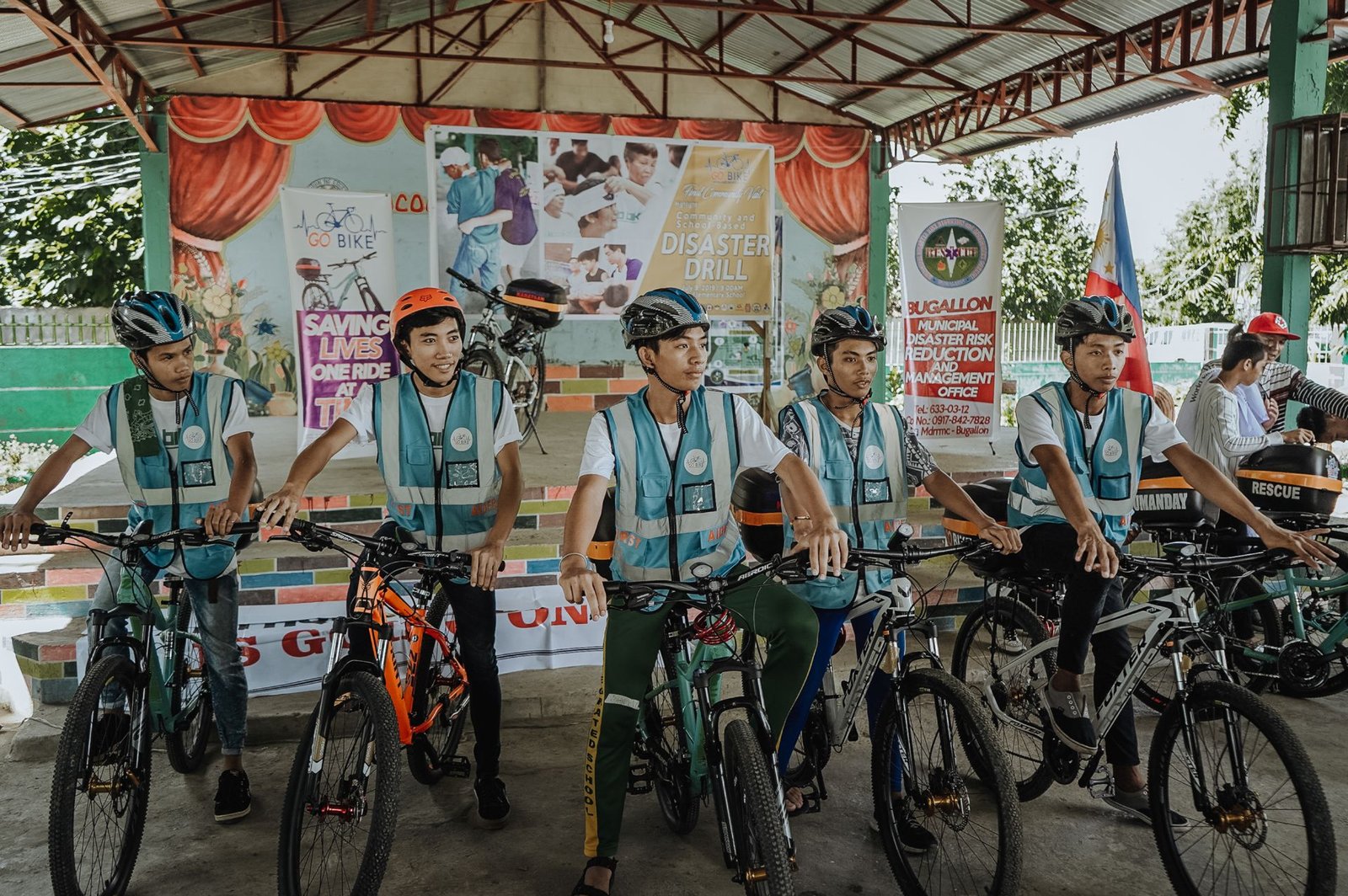
On March 16, 2019, in Barangay Umanday, Bugallon, Pangasinan, a simple idea began to take shape: what if young people could do more than wait for help during emergencies and disasters? What if they could become part of the solution by using their skills, energy, and willingness to serve their communities?
This idea gave birth to the Go Bike Project, a youth-led, community-based initiative founded by Edren Llanillo, together with Sheena Mae Quiles and Nikko De Mesa. Starting with approximately 70 volunteers in one barangay, the project sought to mobilize young people, equip them with practical skills, and organize them as community responders who could help address local needs.
What began as a bicycle-based volunteer initiative would eventually grow into a broader community resilience model—one that connects youth empowerment, disaster preparedness, health outreach, and collective action.
A Simple Idea with a Bigger Purpose
The original concept behind Go Bike Project was straightforward: bicycles could help young volunteers move around their communities, while training and organized volunteerism could equip them to provide meaningful assistance during emergencies and disasters.
In communities where transportation can be difficult, bicycles offer a relatively affordable and accessible means of mobility. They can help volunteers reach households, carry basic supplies, distribute information, and support community outreach. When paired with appropriate equipment, training, safety protocols, and coordination with established response agencies, they can become useful tools for grassroots preparedness and service.
But the bicycle was never the project's most important innovation. Its deeper purpose was to recognize the potential of young people and create opportunities for them to become active contributors to community safety and development.
“Go Bike challenged the notion that young people should be viewed primarily as beneficiaries of development programs. Instead, it positioned them as partners who could be trained, trusted, and mobilized to help solve problems in their own communities.”
Through volunteer recruitment, first aid and basic life support training, disaster risk reduction education, and community engagement, the initiative began developing a network of young people equipped to contribute to local response efforts. Its approach emphasized that willingness to serve must be matched with the necessary skills, resources, and systems to ensure that service is effective and responsible.
When Disaster Response Meets Everyday Community Needs
As Go Bike developed, the needs encountered by its volunteers revealed that community vulnerability extends beyond emergencies and disasters. A community's capacity to withstand a crisis is closely connected to the everyday challenges its residents experience. Limited access to basic services, inadequate transportation, health vulnerabilities, and gaps in community coordination can make the effects of disasters more severe, particularly for people who already face barriers to assistance.
These realities became increasingly apparent in 2020, when the COVID-19 pandemic disrupted daily life and created new challenges for vulnerable households. Older adults and people living with chronic conditions needed continued health monitoring even as movement restrictions made access to services more difficult.
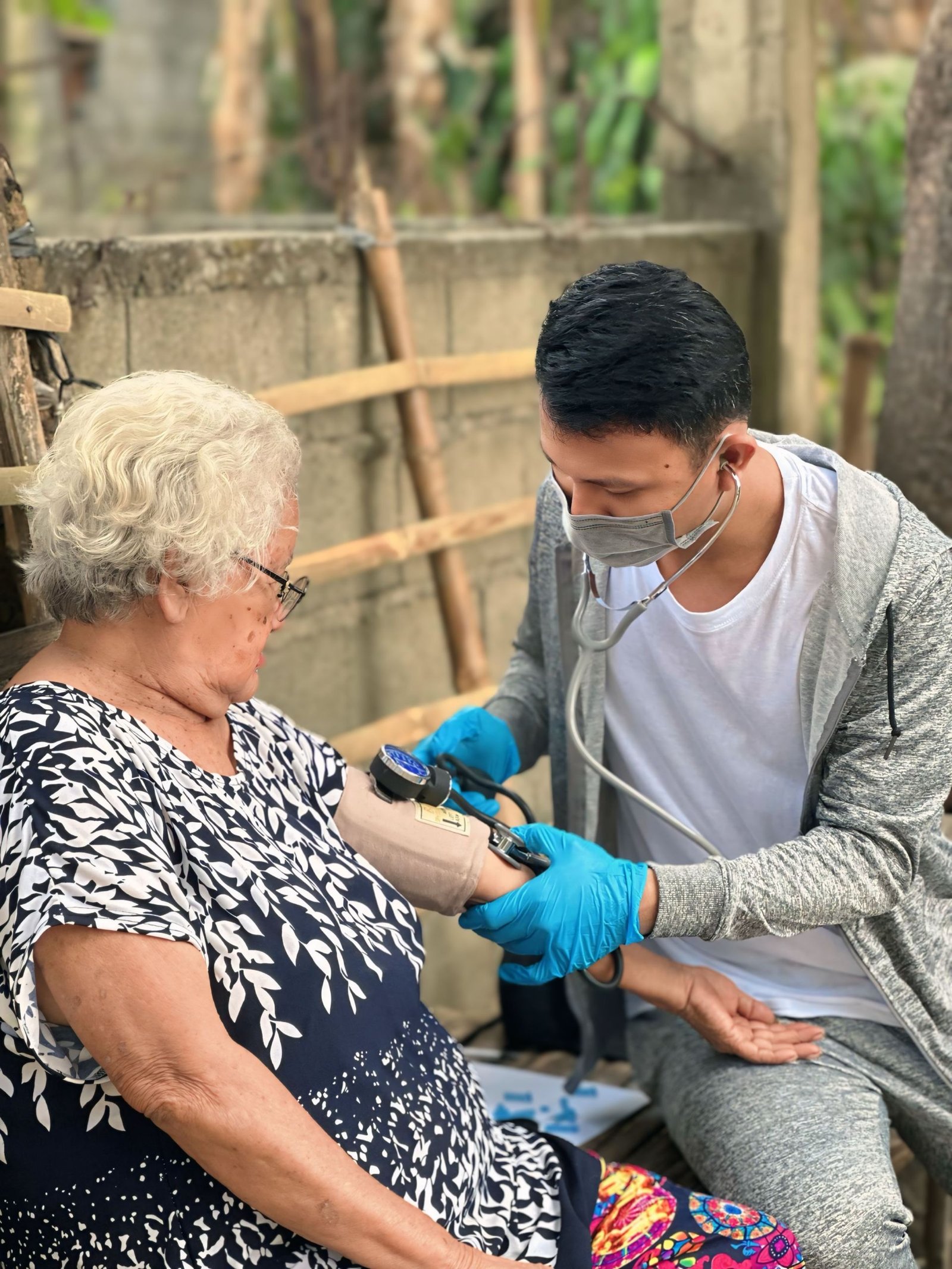
In January 2020, Go Bike launched Ronda Kalusugan, initially involving approximately 10 Go Bikers who helped bring basic health monitoring closer to residents. Volunteers conducted blood pressure and random blood sugar checks and supported community outreach, particularly for senior citizens and other residents who could benefit from regular monitoring.
Ronda Kalusugan demonstrated that the project's capabilities could serve purposes beyond emergency response. The mobility, local knowledge, and community relationships developed through Go Bike could also help connect vulnerable residents with basic health monitoring and appropriate referral pathways.
This experience revealed an important lesson: community resilience is not built only when disaster strikes. It is also strengthened by supporting vulnerable people, improving access to services, and developing local networks that can respond to needs before, during, and after a crisis.
From a Grassroots Initiative to an Organized Movement
As the project expanded, sustaining its work required more than volunteers and bicycles. It needed organizational structures, partnerships, resources, and systems that could support long-term growth.
On March 25, 2021, Padyarescue Incorporated was registered with the Securities and Exchange Commission, providing an institutional platform through which the initiative and related community development efforts could pursue partnerships, mobilize resources, and develop programs.
The growth of Go Bike was reflected in its expanding volunteer network. A 2021 Galing Pook Awards program profile documented 815 volunteers and 74 Go Bikes, with the initiative reaching all 24 barangays of Bugallon. A later Philippine Tribune feature reported approximately 2,000 Go Bikers across 41 barangays.
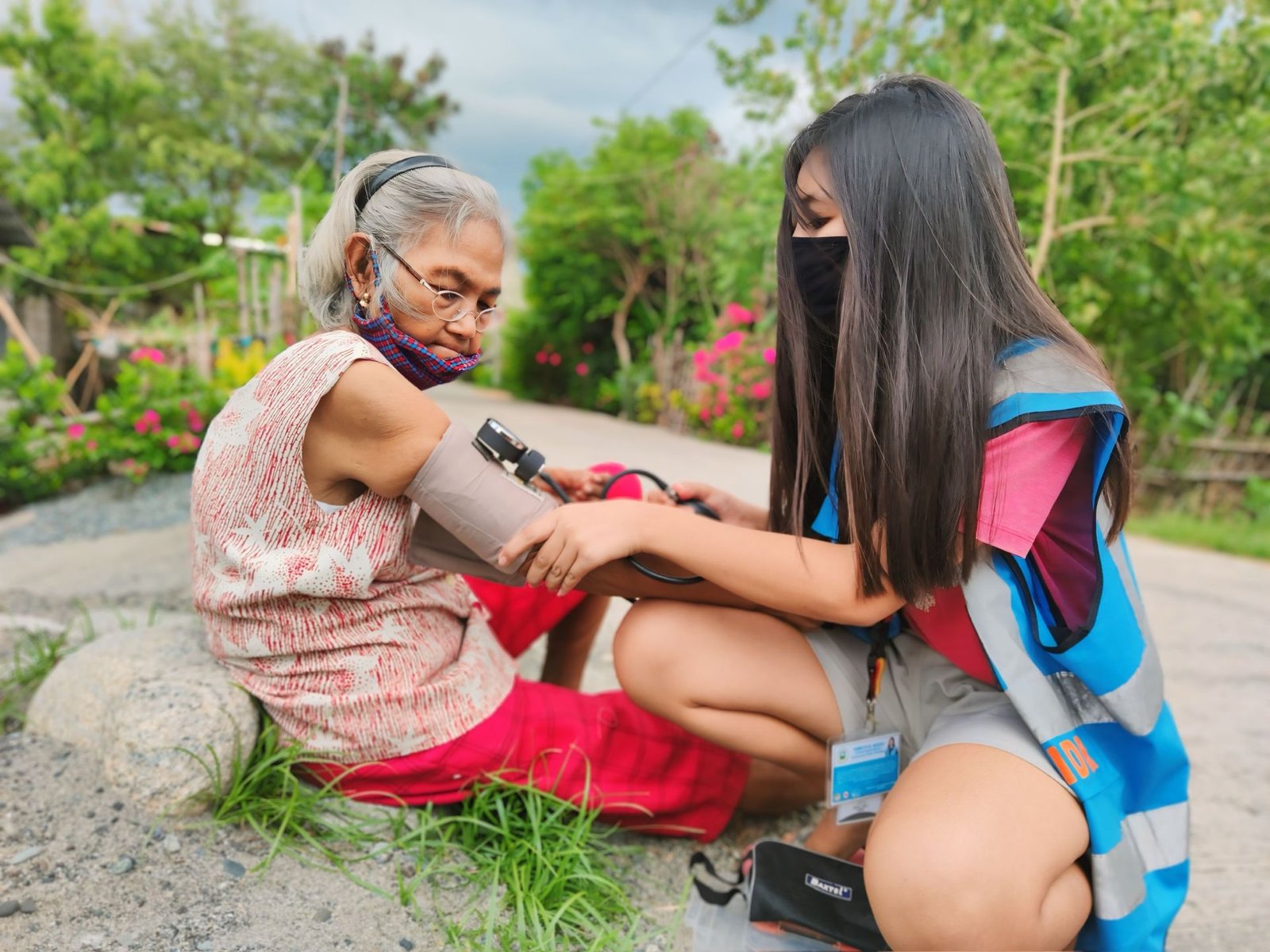
The project's work received recognition through the Galing Pook Awards program and the Healthy Aging Prize for Asian Innovation. The Go Bike Project–Ronda Kalusugan Program received the Grand Prize in the Community-Based Initiatives category, recognizing its approach to community health and resilience for older adults.
“Communities become stronger when young people are given the opportunity to develop their capabilities and use them to contribute to the common good.”
— Go Bike Project
Empowering Young People to Lead and Serve
For Go Bike, youth empowerment is not limited to conducting training sessions or encouraging young people to volunteer occasionally. It involves creating pathways through which they can acquire skills, assume responsibilities, build relationships, and participate meaningfully in community development.
This philosophy is also reflected in the broader initiatives developed through Padyarescue Incorporated. The Association of Learners Working for Altruism and Resilience (ALWAR) engages student leaders in disaster preparedness, first aid, basic life support, and mental health awareness. Padyakaisipan advances mental health advocacy and youth engagement, while Padyakaalaman focuses on educational support for struggling learners. HATAKE extends the organization's work into community agriculture and food security.
Through these experiences, young volunteers develop practical competencies, leadership, teamwork, empathy, and a deeper understanding of the challenges faced by the people they serve. At the same time, communities gain access to an organized pool of people who can support outreach, preparedness, education, and other locally relevant activities.
Addressing Interconnected Community Challenges
The evolution of Go Bike also highlights the interconnected nature of community problems. Disaster preparedness cannot be separated entirely from public health. Older adults and people with chronic illnesses may face greater difficulties during emergencies. Limited transportation can affect access to healthcare and assistance. Weak coordination can delay referrals and response.
Go Bike offers a way to approach these challenges through a shared community platform. By developing trained volunteers, providing appropriate equipment, building local partnerships, and organizing community outreach, the initiative can support several related objectives without losing its central purpose.
Its role is not to replace professional emergency responders, healthcare workers, or government services. Rather, it is to strengthen the connection between communities and those services by developing local capacity, improving preparedness, and helping residents access appropriate assistance.
Building a Sustainable Model for Community Resilience
As Go Bike continues to develop, sustaining its impact requires investment not only in bicycles and equipment but also in the systems that make a volunteer network effective. Training must be maintained. Equipment requires upkeep. Volunteers need continued support, refresher learning, and clear operating protocols.
These needs create opportunities for collaboration with local government units, businesses, foundations, development organizations, schools, and other institutions interested in investing in community resilience. Support can take different forms, including funding for training and equipment, sponsorship of community chapters, technical assistance, shared resources, and partnerships that integrate volunteer activities into broader community development plans.
Ultimately, the objective is not simply to expand the number of bicycles or volunteers. It is to build a model that communities can implement, sustain, and adapt to their own circumstances while maintaining appropriate standards of training, safety, coordination, and accountability.
Beyond Bicycles: A Vision for Resilient Communities
The story of Go Bike Project is a story of how a simple grassroots initiative can evolve as its founders and volunteers gain a deeper understanding of the communities they serve. It began with the idea that young people could help communities respond to emergencies and disasters. It expanded into community health outreach when volunteers recognized the difficulties faced by older adults and other vulnerable residents.
Throughout this evolution, one principle has remained central: communities possess people who are willing and capable of contributing to positive change, but their potential must be supported through training, resources, opportunities, and collaboration.
The journey from approximately 70 volunteers in one barangay to a growing network across Pangasinan illustrates what can happen when a community-based idea is nurtured, adapted, and supported over time.
Go Bike Project: Turning Potential into Organized Action
For Go Bike Project, the destination is not merely a larger volunteer organization. It is a future in which communities are better prepared for emergencies, vulnerable residents are more connected to essential services, and young people are recognized as capable partners in shaping a safer and more resilient society.
Because building resilient communities is not only about having help arrive when disaster strikes. It is about empowering people, strengthening relationships, and developing the capacity to act together long before the next emergency comes.
Explore Related Programs