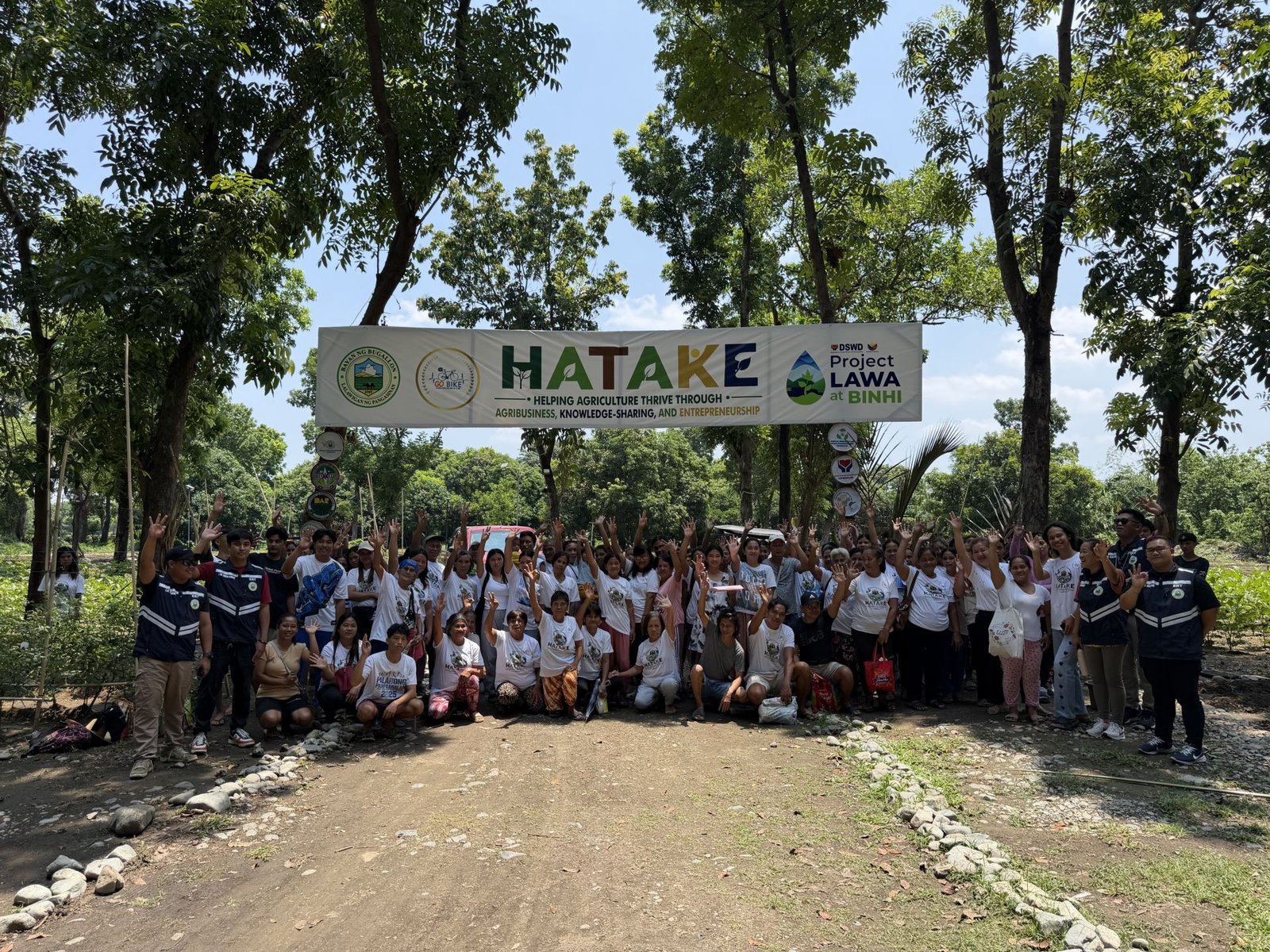
Food security remains a pressing concern for many vulnerable communities, particularly as families face rising food costs, limited livelihood opportunities, and the growing impacts of disasters and climate-related hazards. For communities that depend on agriculture and other climate-sensitive sources of income, these challenges highlight the importance of developing sustainable, community-driven approaches to food production.
Addressing food insecurity requires more than providing immediate assistance. It also means empowering people to participate in producing food, managing available resources, and building systems that can support their communities over time.
Communal Farming as a Pathway to Resilience
Through Project HATAKE, Padyarescue Incorporated promotes communal farming as a pathway toward food security, community participation, and resilience. The initiative brings together beneficiaries, volunteers, and partners to cultivate available land, encourage collective responsibility, and demonstrate how community action can contribute to more sustainable local food systems.
Launched on April 9, 2026, in Barangay Hacienda, Bugallon, Pangasinan, Project HATAKE began with identified farming areas in Main Hacienda and West Buenlag, with approximately one hectare allocated in each area. The initiative also connects with the Department of Social Welfare and Development's Project LAWA at BINHI, which supports community-based approaches to food security and climate resilience.
“Farmland can become more than a place for planting crops. When communities work together to cultivate and manage it, it becomes a shared resource for addressing local needs.”
— Project HATAKE Guiding Principle
Farmland as a Shared Community Resource
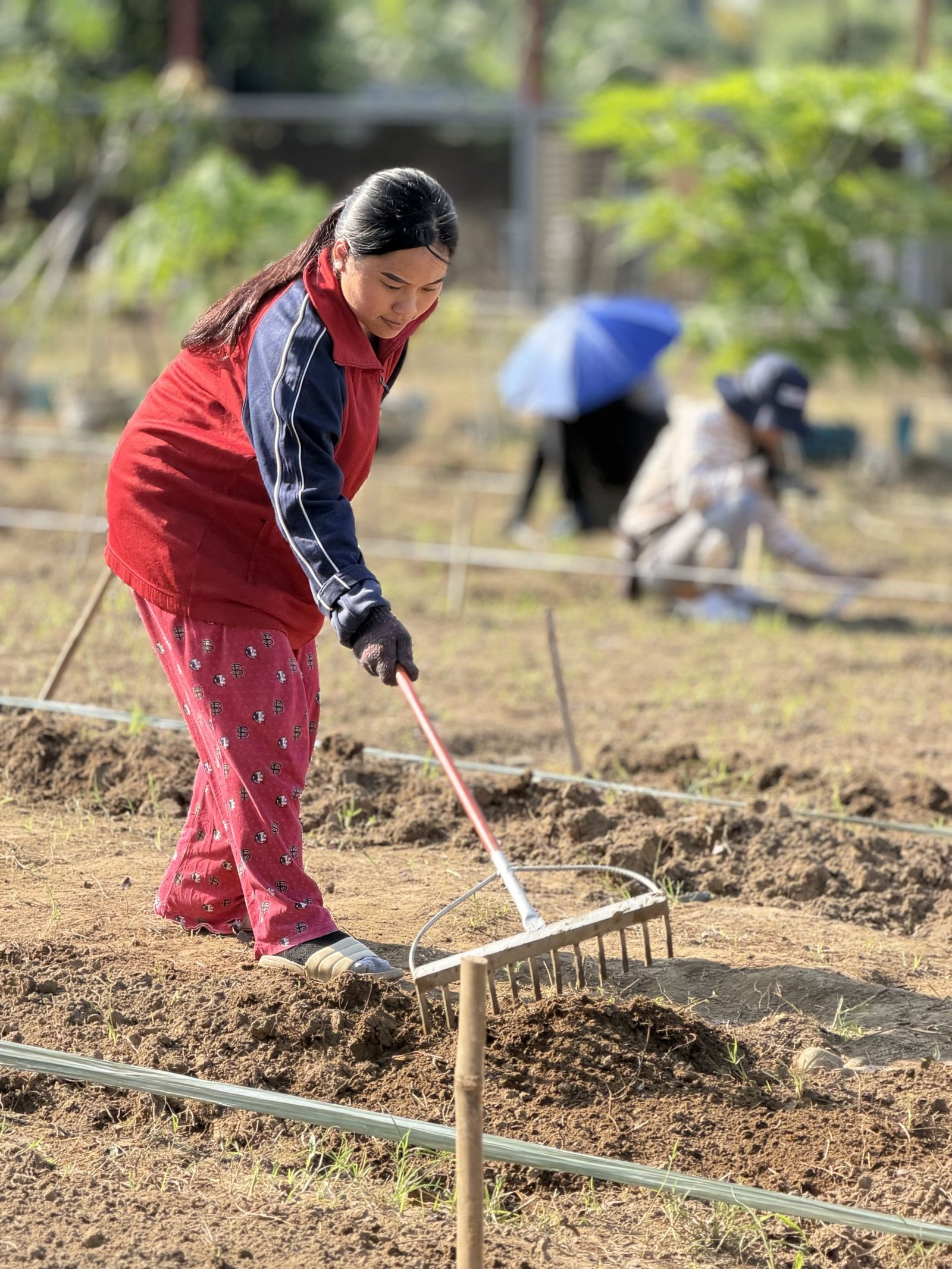
At the heart of Project HATAKE is the idea that land can become more than a place for planting crops. When communities work together to cultivate and manage it, farmland can become a shared resource for addressing local needs. Through communal farming, participants have opportunities to contribute their time and effort, strengthen cooperation, and take part in a collective response to food insecurity.
A Balanced Sustainability and Advocacy Model
The initiative also adopts a sustainability and advocacy approach. Its proposed harvest-sharing arrangement allocates 50% of the harvest for sustainability-related needs and 50% for advocacy efforts. This model seeks to balance the immediate benefits of food production with the resources needed to sustain community activities and extend the project's impact. Its implementation depends on transparent management, clear agreements among stakeholders, and appropriate coordination with project partners.
Beyond the harvest itself, Project HATAKE promotes the importance of shared responsibility and community ownership. Sustainable farming initiatives require consistent participation, proper planning, responsible resource management, and collaboration among beneficiaries and partners. By bringing these elements together, the project aims to help communities become active participants in addressing their own challenges rather than relying solely on external assistance.
Food Security and Disaster Resilience
The initiative also reflects the relationship between food security and disaster resilience. Communities affected by flooding, extreme weather, and other hazards need ways to strengthen their capacity to recover and maintain access to essential resources. Community-based food production can contribute to this effort, although its long-term benefits depend on climate-appropriate farming practices, reliable access to resources, and protection against agricultural losses.
For Padyarescue Incorporated, Project HATAKE represents an opportunity to connect volunteerism with practical community development. It demonstrates how collective action can transform available resources into opportunities for food production, cooperation, and advocacy.
Explore Related Programs